
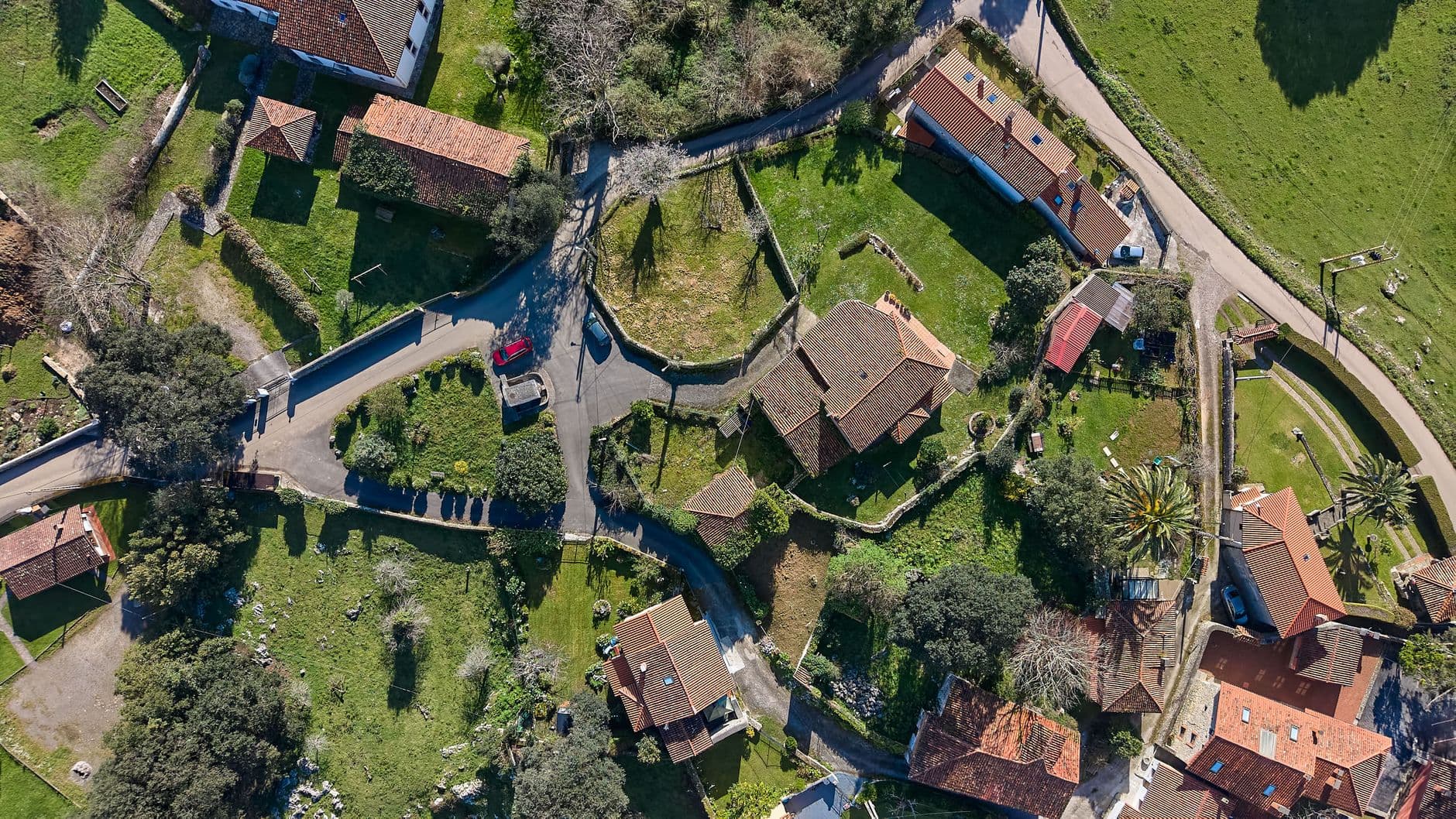
The New Geography of Demand: Why Northern and Inland Spain Are Taking Center Stage in 2026
The 2026 buyer is no longer looking only at Madrid, Barcelona, or the Costa del Sol. Price saturation, consolidated remote work, and the arrival of diverse international profiles are redrawing the real estate map. We analyze why provinces like Asturias, Cantabria, León, or Cuenca are now concentrating the highest investor and residential interest.
The End of the Madrid-Barcelona-Costa Monopoly
For years, the real estate narrative in Spain has revolved around three axes: the two major metropolises and the Mediterranean arc. However, data from the first half of 2026 confirms a structural shift: demand is decentralizing at an accelerated pace.
According to the latest reports from UCI and the Real Estate Observatory, emerging geographies such as Northern Spain (Asturias, Cantabria, Basque Country, Navarre) and inland provincial capitals (Zaragoza, Valladolid, León, Cuenca) are registering price growth and transaction volumes that exceed the national average of 5-8%.
Three Engines Driving Decentralization
With the average sale price at all-time highs (€2,354/m² according to Tinsa) and Madrid nearing €4,241/m², many national buyers—especially young people and middle-income families—find the door to first-time homeownership closed in traditional markets. The Euribor stabilization at 2.2% eases mortgage payments but does not offset the entry effort (20% + costs) required by prime prices.
Unlike 2021, hybrid work is no longer a negotiable "perk" but a standard in tech, financial, and administrative sectors. This allows buyers to prioritize environment, healthcare services, mobility, and cost of living over physical proximity to the office. Cities like Oviedo, Santander, or Logroño offer high quality of life, good air/rail connectivity, and prices 40-60% lower than Madrid.
The foreign buyer profile is no longer exclusively British or German retirees on the coast. In 2026, Nordic, American, Latin American, and French buyers are growing, seeking authenticity, temperate climate, gastronomy, and culture, not just sun and beach. This explains the boom in the Cantabrian corniche, the Aragonese Pyrenees, or Ribeira Sacra.
Where Are the Real Opportunities Today?
- Asturias and Cantabria: YoY price growth > 10%, high demand for sustainable new builds and regulated holiday lets.
- Gross long-stay rental yields of 5-6%, entry of Build-to-Rent funds, and excellent AVE high-speed rail connections.